

Contents
Nanci Stockwell of Advanced Recovery Systems emphasizes the role of support groups during treatment for addiction and recovery. Intervene if your friend or loved one is unable to recognize their addiction or unwilling to seek help. Safe and structured intervention can be a positive, life-changing experience. Many communities have support groups for teens that are supervised by young adults.

Mental health therapy and counseling is a crucial part of the recovery process. Counselors work with individuals with an addiction to help them understand substance abuse and co-occurring disorders. They can also provide support during the detoxification stage of treatment. Family therapy can also be an effective method of addressing and recovering family disputes or disrupted relationships. Help from your health care provider, family, friends, support groups or an organized treatment program can help you overcome your drug addiction and stay drug-free. There are companies large and small that have recovery-friendly hiring practices.
Whether you have a problem with illegal or prescription drugs, addiction treatment should be customized to your unique situation. It’s important that you find a program that feels right. This step-by-step guide can help you cope with cravings, deal with relapse, and overcome your substance use disorder. If you start using the drug again, talk to your health care provider, your mental health provider or someone else who can help you right away.
Packages are often labeled as other products to avoid detection. While naloxone has been on the market for years, a nasal spray and an injectable form are now available, though they can be very expensive. Whatever the method of delivery, seek immediate medical care after using naloxone.
Do 12-step programs help?
There are no lab tests that define recovery and no universally agreed-on definition of recovery. For many experts, the key components of addictive disorder are compulsive drug use that continues despite detrimental consequences, and the development of cravings with the inability to control use. Addiction develops over time, in response to repeated substance use, as the action of drugs changes the way the brain responds to rewards and disables the ability to control desire for the drug. Behavioral therapies help people in drug addiction treatment modify their attitudes and behaviors related to drug use. As a result, patients are able to handle stressful situations and various triggers that might cause another relapse. Behavioral therapies can also enhance the effectiveness of medications and help people remain in treatment longer.
- Some of the most helpful strategies for dealing with cravings are summarized in the acronym DEADS.
- Seeing a psychiatrist, psychologist or licensed counselor may help you regain your peace of mind and mend your relationships.
- Nevertheless, data bear out that most people who meet the clinical criteria for an alcohol or other drug use disorder achieve full recovery.
- For many of those who are addicted, enduring even that action is unimaginable.
After a return to old behaviors, people make a decision to resume their active strategies of coping, facilitating remission and recovery. Recovery from addiction is a developmental learning process, and people often stumble as they progress along a new and unfamiliar path. Eventually people in recovery become confident navigators. If you were addicted to a prescription drug, such as an opioid painkiller, you may need to talk to your doctor about finding alternate ways to manage pain. Regardless of the drug you experienced problems with, it’s important to stay away from prescription drugs with the potential for abuse or use only when necessary and with extreme caution.
Marijuana, hashish and other cannabis-containing substances
Sometimes it is helpful to have these consequences listed on a small card that you keep with you. Be upfront about your history of drug use when seeking medical treatment. If you need a medical or dental procedure done, be upfront and find a provider who will work with you in either prescribing alternatives or the absolute minimum medication necessary. You should never feel ashamed or humiliated about previous drug use or be denied medication for pain; if that happens, find another provider.

In the maintenance phase, skills are deployed and processes are engaged to sustain the initial changes over the long term. Hundreds of studies of addictive behavior change reveal that a common process underlies all progress toward recovery. Researchers have identified and mapped out five stages of change, and they can be used as a kind of recovery GPS—a guide to determine where anyone may be in the process of recovery. In 2016, my colleagues and I surveyed another nationally representative sample.
Mother of drug-addicted son slams Biden’s drug consumption centers
Treatment should address more than just your drug abuse. Addiction affects your whole life, including your relationships, career, health, and psychological 11 things people don’t tell you about growing up with an alcoholic parent well-being. Treatment success depends on developing a new way of living and addressing the reasons why you turned to drugs in the first place.
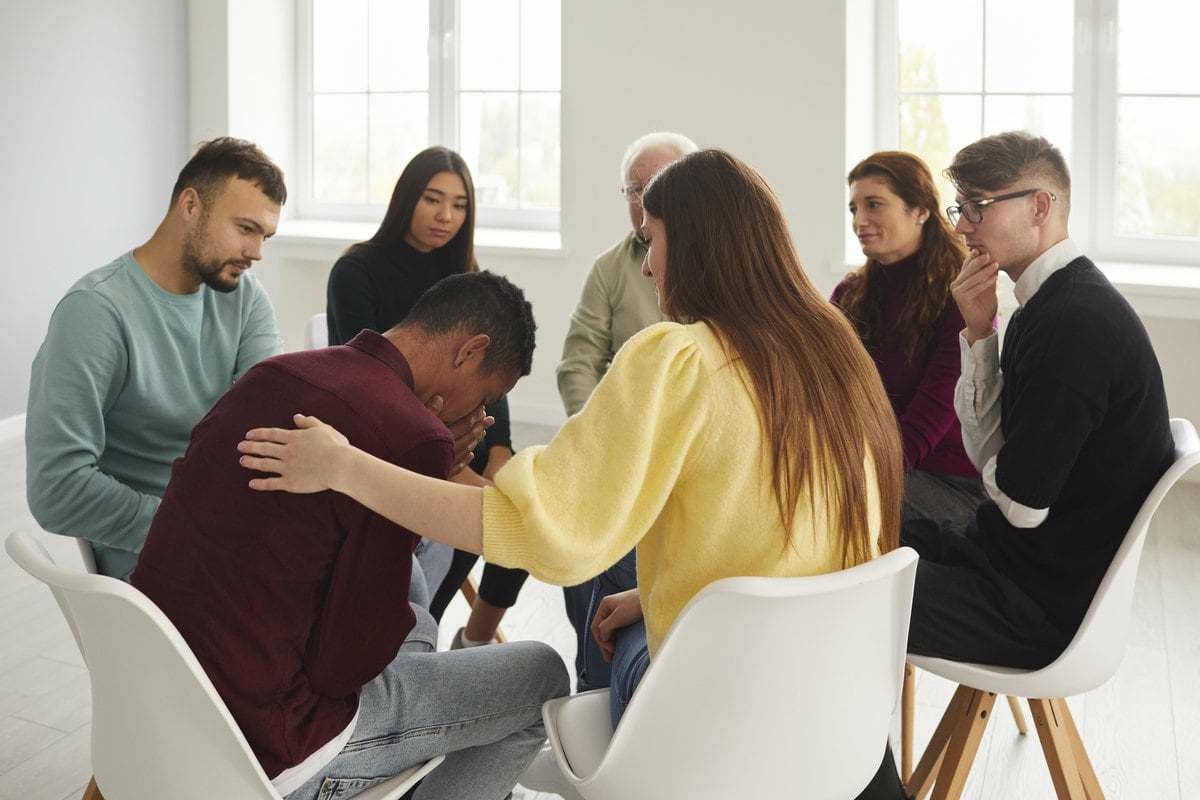
The important feature is that the interest avert boredom and provide rewards that outweigh the desire to return to substance use. Planning in advance a way out of high-risk situations—whether an event, a place, or a person—helps support intentions in the face of triggers to use. Family therapy helps people with drug use problems, as well as their families, address influences on drug use patterns and improve overall family functioning. If you’re worried about getting in trouble, talk to your doctor about your addiction. If you’re using drugs, they can’t tell law enforcement or your parents. The more dedication you have toward recovery, the more likely you are to achieve it.
They can often benefit from attending their own support group, sharing their stories and experiences with other families. Nar-Anon, an offshoot of Narcotics Anonymous, is the most well-known. Methadone Anonymous is a similar 12-step program that acknowledges the value of maintenance therapy with methadone or Suboxone (buprenorphine/naloxone) for recovery. Learn to recognize it by looking for changes in behavior and appearance. Avoid stigmatizing or shaming, and understand how treatment works.
Drug addiction can lead to a range of both short-term and long-term mental and physical health problems. Drug use can have significant and damaging short-term and long-term effects. Taking some drugs can be particularly risky, especially if you take high doses or combine them with other drugs or alcohol.
Compassion, understanding and shared experiences can help you break your addiction and stay drug-free. The self-help support group message is that addiction is an ongoing disorder with a danger of relapse. Self-help support groups can decrease the sense of shame and isolation that can lead to relapse. Drug addiction is a chronic disease characterized by drug seeking and use that is compulsive, or difficult to control, despite harmful consequences. Here’s how you can help bolster teens’ mental health and media literacy skills to improve their resistance to cannabis product ads. Food addiction mimics drug and alcohol addiction in many ways.
Results from NIDA-funded research have shown that prevention programs involving families, schools, communities, and the media are effective for preventing or reducing drug use and addiction. Although personal events and cultural factors affect drug use trends, when young people view drug use as harmful, they tend to decrease their drug taking. Therefore, education and outreach are key in helping people understand the possible risks of drug use. Teachers, parents, and health care providers have crucial roles in educating young people and preventing drug use and addiction. Rebuilding close connections with family and friends is essential to successful drug abuse recovery. This often requires the addicted person to recognize and make amends for the damage caused by past behavior.
Medications for Substance Use Disorders
Counselors may select from a menu of services that meet the specific medical, mental, social, occupational, family, and legal needs of their patients to help in their recovery. Twelve-step facilitation is an individual therapy typically delivered in 12 weekly session to prepare people to become engaged in 12-step mutual support programs. 12-step programs, like Alcoholic Anonymous, are not medical treatments, but provide social and complementary support to those treatments. TSF follows the 12-step themes of acceptance, surrender, and active involvement in recovery. When patients first stop using drugs, they can experience various physical and emotional symptoms, including restlessness or sleeplessness, as well as depression, anxiety, and other mental health conditions.
Therapy teaches people how to manage relapse, and support helps decrease the severity of relapse when it occurs. Recovery from addiction is a lifelong process, and it requires lifelong effort. The earliest don’t drink alcohol while taking these medications days of detox may seem like the most difficult, but maintaining sobriety, changing behavior and finding happiness can also be challenging. With treatment and support, you can be free of addiction.
Quickly relieve stress without drugs
This way, you’ll learn about yourself and gain confidence. For instance, visit a museum or attend an event at a local community center. Rebound – When the brain returns to normal functioning after the substance is removed, it undergoes a rebound period.
Many people suffering from addiction achieve sobriety. It involves changing your outlook on life, your behavior and in some cases your environment. Successful recovery is inspired by the hope that recovery is possible and faith that you will recover. You can support your drug treatment and protect yourself from relapse by having activities and interests that provide meaning to your life. It’s important to be involved in things that you enjoy, that make you feel needed, and add meaning to your life.
NBA star Chris Herren had a life-threatening heroin overdose in 2008. After this, he found himself in a situation where he didn’t have any money or support to help him start recovery. He used support groups and a treatment program to get sober and decided he wanted to help others have the support they inpatient rehab for alcoholism needed. Relapse Prevention – Once the brain enters the relapse prevention phase, it becomes more resistant to the effects of the substance than before. This is why people who successfully quit using substances often experience relapses. Recovery is possible for anyone suffering from addiction.
Sober living homes, including halfway houses, improve treatment outcomes for people recovering from addiction. Stays can range from several weeks to several months, and the cost is similar to renting an apartment — some cost more than others. The first step of recovery is recognizing addiction exists and admitting change is necessary to overcome it. In most situations, a person cannot recover from addiction until they’re willing to commit to change. Recognizing addiction exists also means recognizing that recovery is possible.
